
Chatbase: review, pricing and alternatives
Chatbase Review 2026: What It Is and How It Works
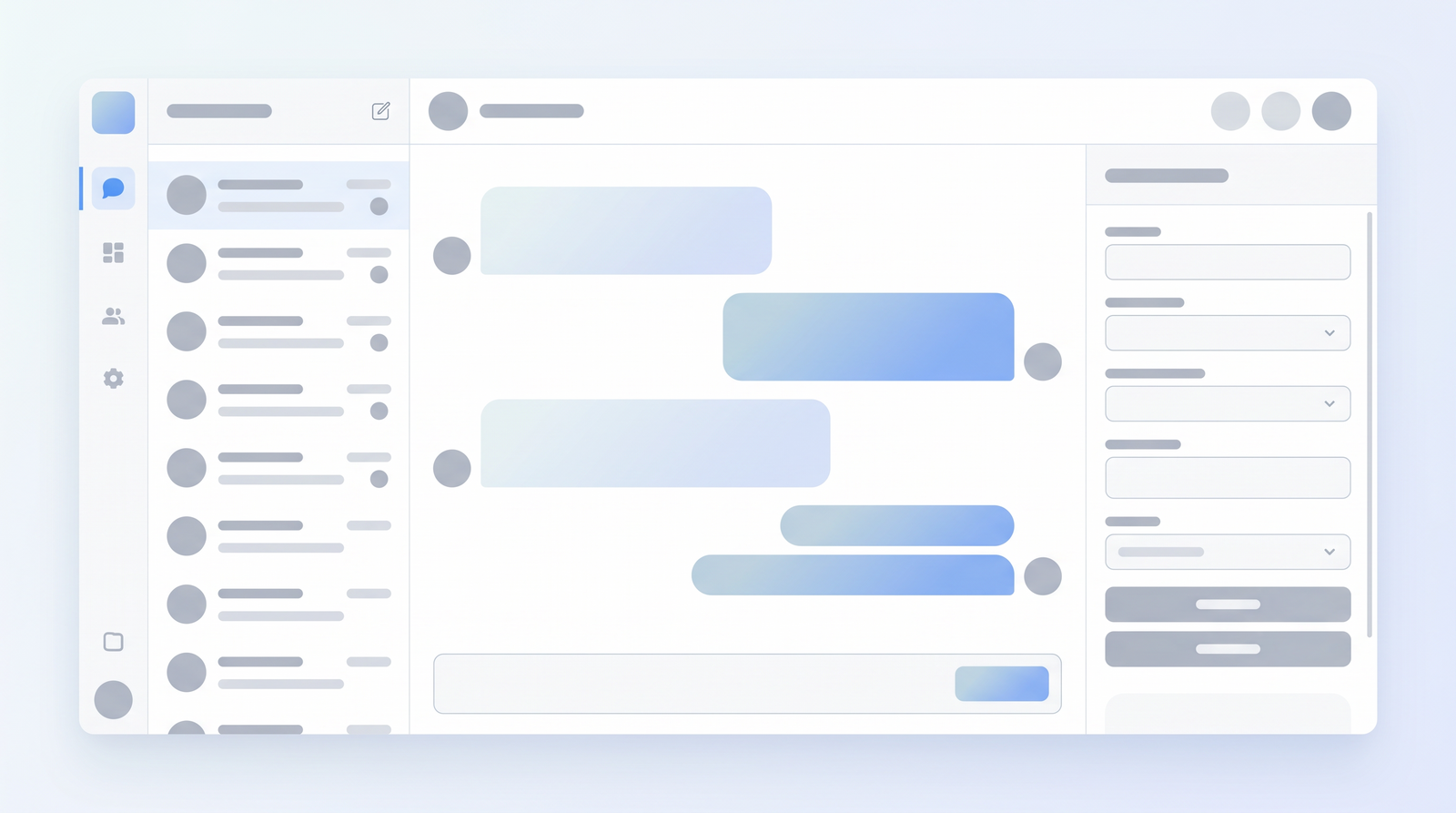
When I first encountered Chatbase, I was looking for a straightforward way to automate some of the repetitive questions my small business receives daily. What I discovered is an AI chatbot builder that truly simplifies the process of creating a custom AI agent trained on your unique data. In essence, Chatbase allows you to upload your existing content – think website pages, help documentation, PDFs, or even spreadsheets – and instantly transform it into a responsive AI chatbot capable of answering customer queries.
Its core function revolves around providing automated, intelligent replies based on the knowledge you feed it. This isn't just about regurgitating information; Chatbase's AI is designed to understand the context of a question and pull relevant answers from its trained knowledge base. It's like having a highly efficient, tireless customer service representative who's read every single piece of information you've ever published about your business.
But Chatbase goes beyond just answering questions. A significant feature that sets it apart is its ability to perform what it calls "AI Actions." This means your chatbot isn't just a passive information dispenser; it can actively engage in real-world tasks. Imagine a customer asking about booking a demo: an AI Action could connect to your calendar system and offer available slots directly within the chat interface. Or perhaps a user wants to check an order status, and the bot, through an AI Action, can query your internal systems to provide that information. This capability makes Chatbase a much more dynamic tool than many basic Q&A bots, transforming it into a proactive assistant for both your customers and your internal operations.
For businesses, this translates into tangible benefits: faster response times, reduced workload for human support teams, and a consistent, always-available source of information for your audience. It's particularly appealing because it offers these advanced capabilities without requiring any complex coding or deep technical expertise, making sophisticated AI accessible to a much broader range of users.
Core Features: Training and Customizing Your AI Agent
Training your AI agent with Chatbase is surprisingly intuitive, which is one of its biggest selling points. The platform is designed for rapid knowledge ingestion. You don't need to be a data scientist; you simply point Chatbase to your data sources. This can involve linking to your website, where it will crawl and extract information, or uploading documents directly. I've personally found it incredibly convenient to upload PDFs containing FAQs, service descriptions, or even internal knowledge base articles. It also supports DOCX, TXT, and CSV files, giving you a lot of flexibility in how you feed it information.
Once the data is ingested, Chatbase processes it to build a comprehensive knowledge base for your bot. This is where the magic happens – the AI learns from your content, allowing it to understand nuances and provide contextually relevant answers. You can even refine this knowledge over time, ensuring the bot's responses are always accurate and up-to-date. This ongoing learning capability, often driven by chat logs and user feedback, is crucial for maintaining a high-quality support experience.
Beyond just answering questions, the "AI Actions" feature is a game-changer. As I mentioned earlier, these actions empower your bot to interact with other tools and perform tasks. For example, you could configure an action to allow your bot to schedule appointments via Calendly, process a subscription update through Stripe, or even collect leads by integrating with a CRM. This moves the chatbot from a purely informational role to an operational one, automating segments of your workflow that typically require human intervention. It’s an exciting step towards more autonomous customer engagement.
Customizing your AI agent's responses and personality is also quite robust. You can provide specific instructions and rules to guide how the bot interacts with users. This means you can ensure the bot adheres to your brand's voice and tone, whether that's formal, friendly, or somewhere in between. You can set guardrails to prevent it from discussing certain topics or to prioritize specific information, giving you a significant degree of control over the user experience and maintaining consistency across all your customer touchpoints.
Getting Started with Chatbase: Setup and Deployment
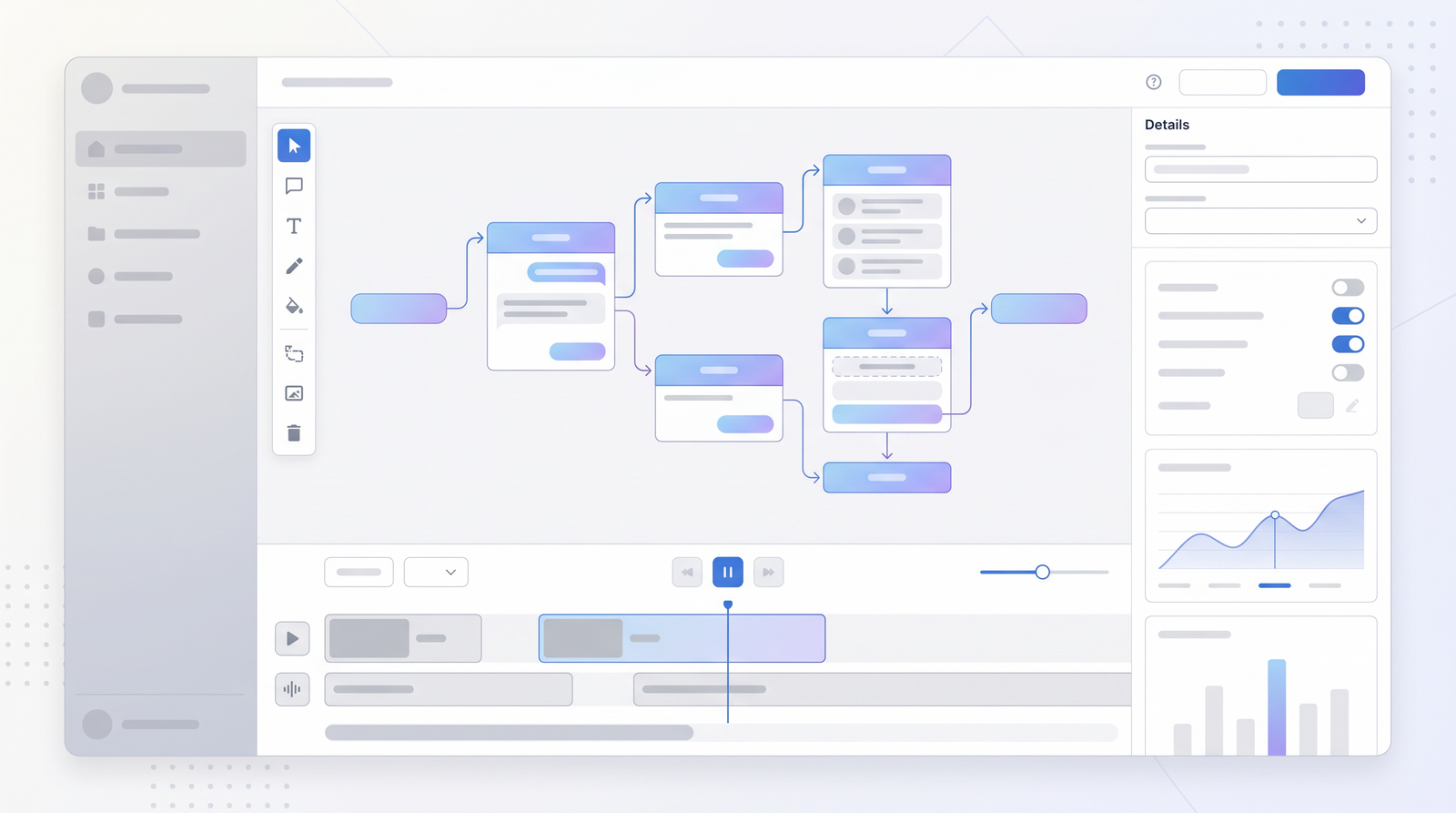
One of the most impressive aspects of Chatbase, in my experience, is just how quickly you can go from zero to a live, functioning AI chatbot. The setup process is remarkably non-technical; you don't need to write a single line of code. I've seen businesses get their first bot up and running in less than 10 minutes, which is a testament to its user-friendly design. You simply create an account, upload your data sources, and within moments, your AI agent is ready to start learning and responding.
The interface itself is clean, intuitive, and easy to navigate. Everything is laid out logically, from managing your data sources to configuring AI Actions and customizing your bot's personality. This low learning curve means that even individuals without prior AI or chatbot experience can effectively build and deploy a sophisticated tool. It removes the barrier to entry that often discourages smaller teams or individual entrepreneurs from leveraging advanced AI solutions.
Once your chatbot is trained and customized, deploying it is equally straightforward. Chatbase offers multiple channels for integration, ensuring you can reach your audience wherever they are. The most common method is embedding the chatbot directly onto your website using a simple code snippet, which typically appears as a chat widget in the corner of the screen. This provides instant, on-demand support for your website visitors.
Beyond website embedding, Chatbase also supports deployment on various other platforms. While it doesn't have built-in live chat, it integrates with popular live chat tools like Zendesk, Salesforce, HubSpot, Zoho Desk, and Freshdesk, allowing you to seamlessly hand off complex queries to human agents when needed. It also integrates with Zapier and Make, opening up a world of possibilities for connecting your chatbot with hundreds of other applications and automating workflows across your tech stack. This multi-channel approach and robust integration capability ensure your AI assistant can be a central part of your customer engagement strategy.
Chatbase Pricing 2026: Plans, Credits, and Costs
Understanding Chatbase's pricing structure in 2026 is crucial, as it directly impacts how you scale your AI chatbot usage. They offer a tiered model, starting with a free plan and progressing to various paid subscriptions. The free plan is quite generous for initial exploration, typically allowing you one chatbot and a limited number of message credits per month (often around 50). It's a great way to dip your toes in, but it does come with some limitations, such as only supporting basic AI models and having your agent deleted after 14 days of inactivity, which can be a bit of a surprise if you're not actively using it.
As you move into the paid tiers, the pricing starts around $40 per month and can go up to $500 or more for higher-end plans. The core of the pricing model revolves around "message credits." Each time a user interacts with your chatbot, it consumes a certain number of credits. The more complex the interaction or the more advanced the AI model used, the more credits might be consumed. This means you need to keep an eye on your usage, especially as your chatbot becomes more popular, to avoid unexpected overage charges or interruptions in service.
The tiered structure generally offers more chatbots, higher message credit allowances, larger knowledge base capacities (measured in KB), and access to more advanced AI models and features like AI Actions as you ascend the plans. What I've observed is that while the initial tiers are quite affordable for small businesses, the pricing can jump significantly at the higher end. This is something to consider if you anticipate rapid growth or need to handle a very high volume of interactions. You'll want to carefully assess your projected usage to choose the most cost-effective plan.
While the core plans cover most needs, it's also wise to consider potential add-ons, though these aren't always explicitly detailed. Things like additional AI Actions, premium integrations, or higher data storage might come with extra costs not immediately apparent in the base plan pricing. Always review the full details of each tier and any potential extra charges before committing, especially if you're planning a robust, integrated solution.
| Plan | Price (approx. monthly) | Best for |
|---|---|---|
| Free | $0 | Testing the waters, very low volume personal use (1 bot, 50 messages/month) |
| Hobby | $40 | Solo creators or small teams with moderate support needs (more messages, 1 AI agent) |
| Growth | $100 - $200 | Growing businesses needing more capacity and AI Actions (multiple bots, higher credits/KB) |
| Enterprise | Custom | Large organizations with complex needs and high usage volumes (custom features, dedicated support) |
The Upside: Key Advantages of Chatbase
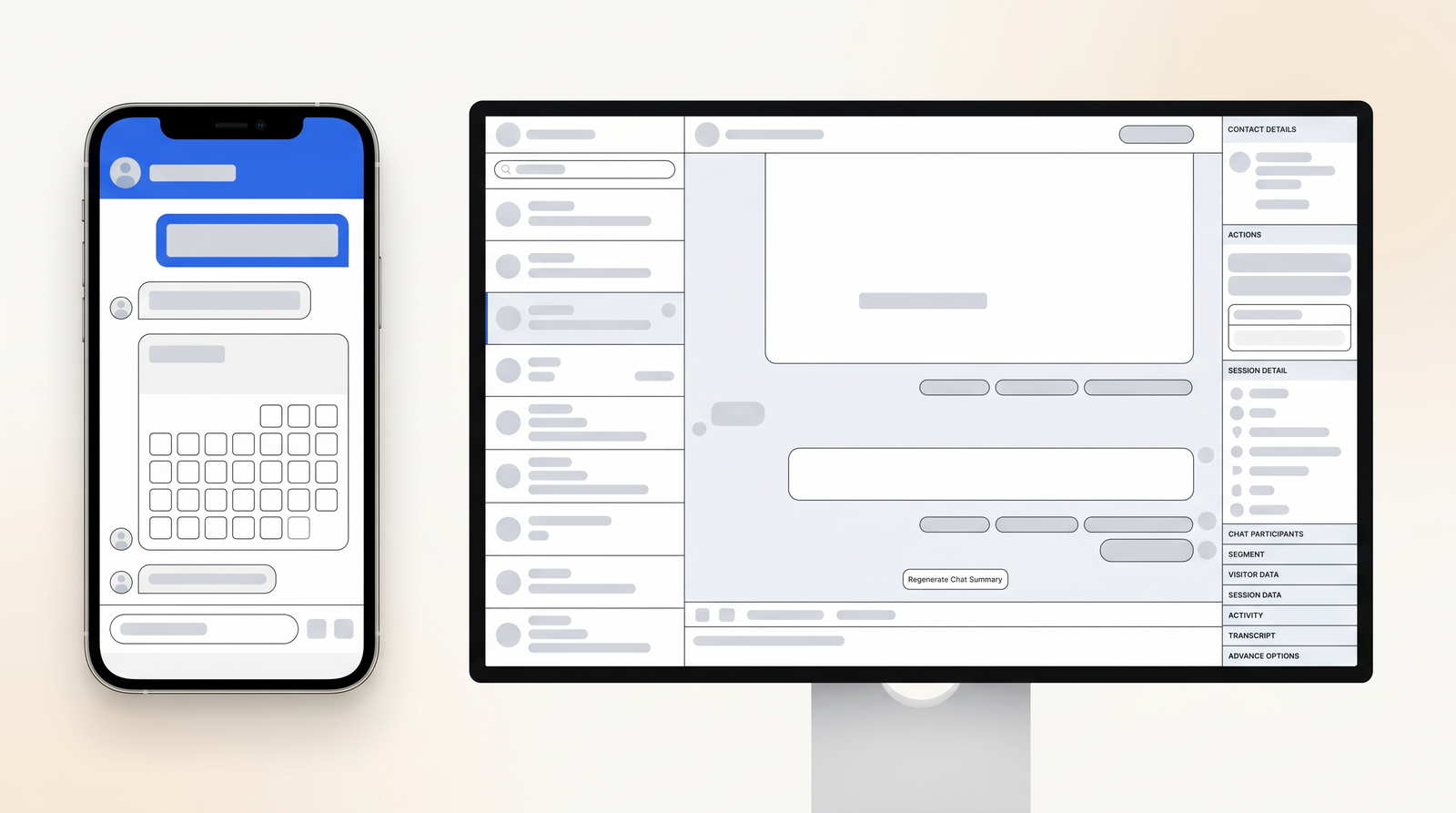
Having spent time with Chatbase, what I keep coming back to is its sheer ease of use and rapid setup. This isn't an exaggeration; you truly can have a functional AI chatbot up and running in minutes, not days or weeks. For small business owners or marketing teams without dedicated development resources, this is an enormous advantage. The intuitive interface and straightforward process of feeding it data mean that the barrier to entry for leveraging AI is incredibly low. You don't need to understand complex algorithms or coding languages; you just need your content.
Another major upside is its effectiveness in handling FAQs. Most businesses receive a significant volume of repetitive questions, which can consume valuable time for human support agents. Chatbase excels at automating these routine inquiries, providing instant, consistent answers 24/7. This not only improves customer satisfaction by offering immediate assistance but also frees up your team to focus on more complex, high-value interactions. It's a powerful tool for reducing the dreaded "repeat ticket" syndrome.
I've also been consistently impressed by the reliability and kindness of Chatbase's customer support. This is a recurring theme in user reviews, and it aligns with my own experience. When you're dealing with a new technology, having responsive and knowledgeable support can make all the difference, and Chatbase seems to deliver on this front. Knowing that help is readily available if you encounter an issue provides a significant peace of mind.
Finally, the ability to update AI answers using chat logs and suggestions is a critical advantage for long-term effectiveness. Chatbase isn't a static solution; it learns and improves over time. By reviewing chat transcripts, you can identify areas where the bot might be struggling or where its answers could be clearer. The platform often provides suggestions for refining responses, allowing you to continually train and optimize your AI agent. This iterative improvement process ensures your chatbot remains accurate, relevant, and increasingly helpful as your business evolves and new questions arise.
The Downside: Limitations and Criticisms
While Chatbase shines brightly in many areas, it's important to have a balanced perspective and acknowledge its limitations. One of the most significant criticisms I've encountered, and one that resonates, is its unsuitability for truly complex workflows. If you're envisioning a chatbot that can navigate intricate decision trees, handle multi-step automation across disparate systems, or engage in highly personalized, dynamic conversations that go beyond its trained knowledge base, Chatbase might fall short. It's excellent for knowledge retrieval and simple actions, but it's not designed for the kind of rich logic and multi-stage automation that more advanced platforms offer.
Another point that often comes up is that Chatbase, while fantastic for support, isn't inherently a revenue generation tool. As one user put it, "Chatbase is great for FAQs, useless for revenue." While it can collect leads or schedule sales calls via AI Actions, its primary strength lies in answering questions and providing information, not actively selling or driving complex conversion funnels directly within the chat. If your main goal is to build a sales bot with persuasive logic and deep CRM integration for direct revenue impact, you might find its capabilities somewhat constrained.
Data capacity can also be a limitation, particularly for larger organizations or those with extensive documentation. While it handles a good amount of data, there are constraints on the knowledge base size (often measured in KB or character limits) depending on your plan. If you have terabytes of information you want your bot to learn from, you might quickly hit those ceilings, potentially forcing you into higher, more expensive tiers or requiring you to be selective about the data you feed it.
Finally, as I touched on in the pricing section, the potential for pricing jumps at higher tiers can be a concern. While accessible at entry levels, scaling up can sometimes lead to a significant increase in costs, especially if your message volume grows unexpectedly or you need more advanced AI models and features. This means careful planning and usage monitoring are essential to manage your budget effectively and avoid sticker shock as your bot becomes more integral to your operations.
Ideal Users and Use Cases for Chatbase
Based on my experience and what I've seen in the market, Chatbase is an ideal solution for a very specific segment of users. Primarily, it's perfectly suited for small businesses, startups, and lean teams that need to quickly implement an effective customer support solution without a hefty technical investment. If you're a solopreneur or part of a small marketing or support team, and you find yourselves repeatedly answering the same questions, Chatbase is practically tailor-made for you.
The platform excels when the primary use case is providing knowledge-based support. Think of businesses with a clear set of frequently asked questions, product documentation, or a well-defined service offering. Chatbase can ingest all that information and serve it up instantly. This makes it invaluable for companies in e-commerce, SaaS, education (for course-related queries), or any service-based business where customers often seek information that's already publicly available but hard to find quickly.
One of its strongest use cases is undoubtedly for answering FAQs and, by extension, significantly reducing the volume of repeat customer tickets. Imagine a scenario where your support inbox is constantly flooded with questions about shipping policies, return procedures, or basic product functionalities. Deploying a Chatbase bot can filter out 70% or more of these common inquiries, allowing your human agents to focus on complex problems that genuinely require their expertise and empathy. This leads to faster resolution times for customers and a more efficient support operation overall.
In essence, if your goal is to offer instant, 24/7 informational support, improve customer satisfaction by providing immediate answers, and free up your human team from mundane tasks, Chatbase is a very strong contender. It's for those who value speed of deployment, ease of management, and effective knowledge dissemination over complex, multi-functional automation or direct sales capabilities.
Chatbase Alternatives: When to Look Elsewhere
While Chatbase is a fantastic tool for its intended purpose, it's not a one-size-fits-all solution, and there are definitely scenarios where you might need to look at alternatives. If your requirements extend beyond straightforward knowledge retrieval and simple AI Actions, you'll quickly find its limitations. For instance, if you need deeply integrated, multi-step automation that spans across numerous internal systems, or if you require a chatbot capable of complex, branching conversational logic, platforms like Dialogflow, IBM Watson Assistant, or even more developer-centric frameworks might be a better fit.
Moreover, if your primary objective is to build a sophisticated sales or marketing bot that proactively engages users, qualifies leads with intricate scoring mechanisms, and drives conversions through highly personalized, dynamic dialogues, Chatbase's capabilities might feel a bit constrained. Tools designed specifically for sales automation or lead nurturing often come with richer logic builders, deeper CRM integrations, and more advanced analytics tailored to revenue generation.
Another reason to consider alternatives is if you need a truly custom AI assistant that doesn't just reply, but actively *completes* tasks with significant autonomy and rich, contextual understanding of user intent across various channels. While Chatbase offers AI Actions, some specialized AI agent platforms provide more robust frameworks for building truly intelligent assistants that can operate independently within complex business processes. For a comprehensive comparison of how Chatbase stacks up against other options, you can see how it stacks up against alternatives on Top10k.
In short, Chatbase excels at being a quick, easy-to-deploy knowledge bot. But if your vision for an AI chatbot involves extensive customization, deep enterprise-level integrations, sophisticated natural language understanding for nuanced conversations, or a platform that focuses heavily on proactive sales and marketing automation with rich, multi-channel orchestration, then exploring other AI chatbot builders that specialize in those areas would be a wise move.
Final Verdict: Is Chatbase Worth It in 2026?
After exploring its features, pros, and cons, my final verdict on Chatbase in 2026 is a resounding yes, but with a clear understanding of its ideal application. For small businesses, startups, and teams looking to quickly and easily implement an AI-powered knowledge base or FAQ bot, Chatbase offers significant value. Its rapid deployment, user-friendly interface, and ability to train on your existing data without technical expertise are truly impressive and make AI accessible to a broad audience.
Where Chatbase shines brightest is in its capacity to handle straightforward support needs. If your goal is to reduce the volume of repetitive customer inquiries, provide instant answers 24/7, and free up your human support agents for more complex tasks, then Chatbase is an excellent investment. The addition of AI Actions further enhances its utility, allowing it to perform simple, real-world tasks like scheduling appointments, which adds a layer of operational automation that goes beyond mere information retrieval.
However, it's crucial to manage expectations. Chatbase is not the right tool for every scenario. If you require a chatbot for complex, multi-step workflows, deep, custom integrations with legacy systems, or a primary driver for direct revenue generation through intricate sales funnels, you might find its capabilities limiting. Its pricing, while reasonable at lower tiers, can also escalate quickly if your usage scales dramatically, necessitating careful planning.
In conclusion, Chatbase is worth it if you need a powerful, easy-to-use AI chatbot that excels at knowledge-based support and simple actions. It delivers immense value by automating FAQs and improving customer response times with minimal setup effort. If your needs align with its strengths – rapid deployment and effective, straightforward support – then Chatbase is undoubtedly a valuable addition to your business toolkit in 2026.
Full profile and live ranking: https://top10k.com/ai/chatbase
Published by

Meet Top10k Tools — a collection of free web apps packed with 4,000+ ready-to-use tools designed to boost productivity.
It brings together content optimization, image processing, programming, calculations, and workflow tasks. Everything works directly online, so there's nothing to install.
Our mission is building 10,000 free mini tools that solve real problems.
From freelancers to small teams, Top10k Tools has something useful. Give it a try.
Frequently asked questions
What is Chatbase?
Chatbase is an AI chatbot builder that allows businesses to create custom AI agents trained on their own data, such as websites, PDFs, and other documents. Its primary function is to automate customer support by providing instant, intelligent answers to frequently asked questions and performing simple AI Actions like scheduling appointments.
Is Chatbase free to use?
Yes, Chatbase offers a free plan. This plan typically includes one chatbot and a limited number of message credits per month (e.g., 50). While great for testing, it uses basic AI models and your bot might be deleted after 14 days of inactivity, so it's best for very low-volume personal use or initial exploration.
How much does Chatbase cost in 2026?
Chatbase offers tiered pricing, starting around $40 per month for its Hobby plan and ranging up to $500 or more for higher-tier plans. Costs are primarily determined by the number of message credits, AI agents, and knowledge base capacity you need, with prices potentially increasing significantly at higher usage levels.
How easy is it to set up a Chatbase chatbot?
Setting up a Chatbase chatbot is exceptionally easy and non-technical. You can train a bot by simply linking your website or uploading documents, and have a functional AI agent ready in minutes. The interface is designed to be user-friendly, requiring no coding experience.
What are the best use cases for Chatbase?
Chatbase is ideal for small businesses, startups, and teams needing simple, knowledge-based support bots. It excels at answering frequently asked questions, reducing repeat customer tickets, and providing instant, 24/7 informational support based on your existing documentation.
What are Chatbase's main limitations?
Chatbase is not suited for complex workflows, intricate multi-step automation, or deep enterprise integrations. While great for support, it's not primarily a tool for direct revenue generation through complex sales funnels. It also has data capacity constraints and its pricing can jump significantly at higher tiers.
Are there good alternatives to Chatbase?
Yes, for richer logic, multi-step automation, deeper integrations with internal systems, or more complex sales/marketing bots, alternatives like Dialogflow, IBM Watson Assistant, or other specialized AI agent platforms might be a better fit. Chatbase excels in its niche, but other tools cater to different, more advanced requirements.
Is Chatbase worth it for my business in 2026?
Chatbase is definitely worth it if you need an easy-to-use, quick-to-deploy AI chatbot that effectively handles knowledge-based support and simple actions. It provides significant value by automating FAQs and improving customer response times with minimal technical investment, making it ideal for businesses with straightforward support needs.